
Packaging Sample Checklist: What to Approve Before Mass Production
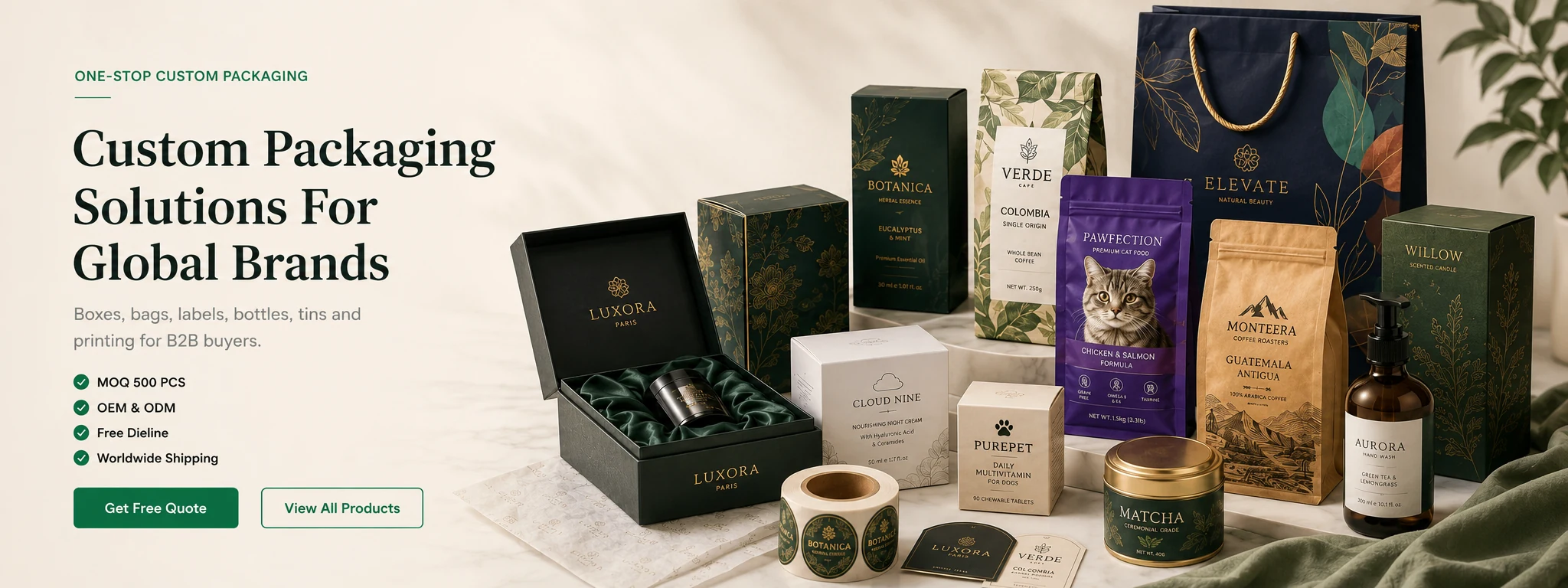
A procurement checklist for approving custom packaging samples before bulk production, covering size, color, material, inserts, barcode, packing and.
Quick Answer
Before mass production, buyers should approve structure size, product fit, material, print color, finishing, barcode readability, insert fit, carton packing and shipping marks. A signed sample standard helps the factory QC team keep bulk production consistent.
Parameter Table for Buyers
| Sample purpose | Confirm structure, artwork, color, material and fit |
|---|---|
| Common sample time | 5 to 10 business days after dieline and artwork confirmation |
| Approval output | Signed sample, photos, comments and final specification |
| Key risk | Approving visuals without checking product fit or logistics |
| Recommended proof | Physical sample for structure and digital proof for artwork layout |
Start with structure
The first approval point is whether the packaging fits the real product. Check inner dimensions, product movement, insert hold, lid tightness, zipper function, valve location or bottle clearance. If product fit is wrong, perfect printing will not save the order.
Then check color and finish
Color should be checked under neutral lighting and against approved artwork. Foil, embossing, spot UV and matte lamination should be inspected for position, adhesion and surface marks. Keep one approved sample as the production standard.
Do not skip logistics checks
Packaging that looks good on a desk may still fail in export cartons. Confirm flat size, assembled size, carton packing quantity, carton strength, weight and shipping marks. This prevents landed-cost surprises and warehouse handling problems.
Use comments, not vague approval
If something must change, write the exact change: increase foam hole by 2 mm, move logo 5 mm upward, use matte lamination, or strengthen carton. Clear sample comments reduce rework and delay.
Procurement Checklist
- Place the real product inside the sample and shake lightly.
- Check print color, finish position and visible defects.
- Scan barcode and QR code with a phone and scanner if needed.
- Confirm carton quantity, carton size and shipping marks.
- Keep one approved sample or detailed photo record for QC reference.
Sample test method and acceptance record
Method: Write the sample protocol before testing: packed product and mass, conditioning, drop orientation and height, number of drops, inspection points and pass/fail criteria. Photograph the sample before and after testing and keep its revision number with the approval record.
- ASTM D5276-19 covers free-fall drop testing of loaded boxes, cylindrical containers, bags and sacks. The standard evaluates the container and its inner packing as a packed system.
- ISO 2859-1:2026 provides AQL-indexed sample sizes and acceptance/rejection rules for lot-by-lot inspection. The inspection level, lot size, defect classes and AQL must be agreed before inspection.
Evidence limit: A 1.0 m drop or a stated AQL is a project starting point, not a universal pass result. Final values depend on packed mass, distribution route, product fragility and buyer requirements.
FAQ
Should I approve by photo only?
Photo approval is possible for simple repeats, but physical samples are safer for new structures and premium packaging.
What if the sample color is not exact?
Share a Pantone reference or approved printed sample and request a corrected proof before mass production.
Can sample cost be refunded?
Sample policies depend on structure and order value. Ask sales before the project starts.
Who should approve the sample?
Purchasing, brand, product and logistics teams should all review relevant parts before sign-off.
Request a factory quote
Send product size, quantity, material, finish, artwork status, destination country and deadline. BestPackFactory will review the RFQ and help with dieline, sampling, production and export shipping.