
Embossing Packaging
Embossing and debossing for tactile logos on rigid boxes, cartons, sleeves and paper bags.
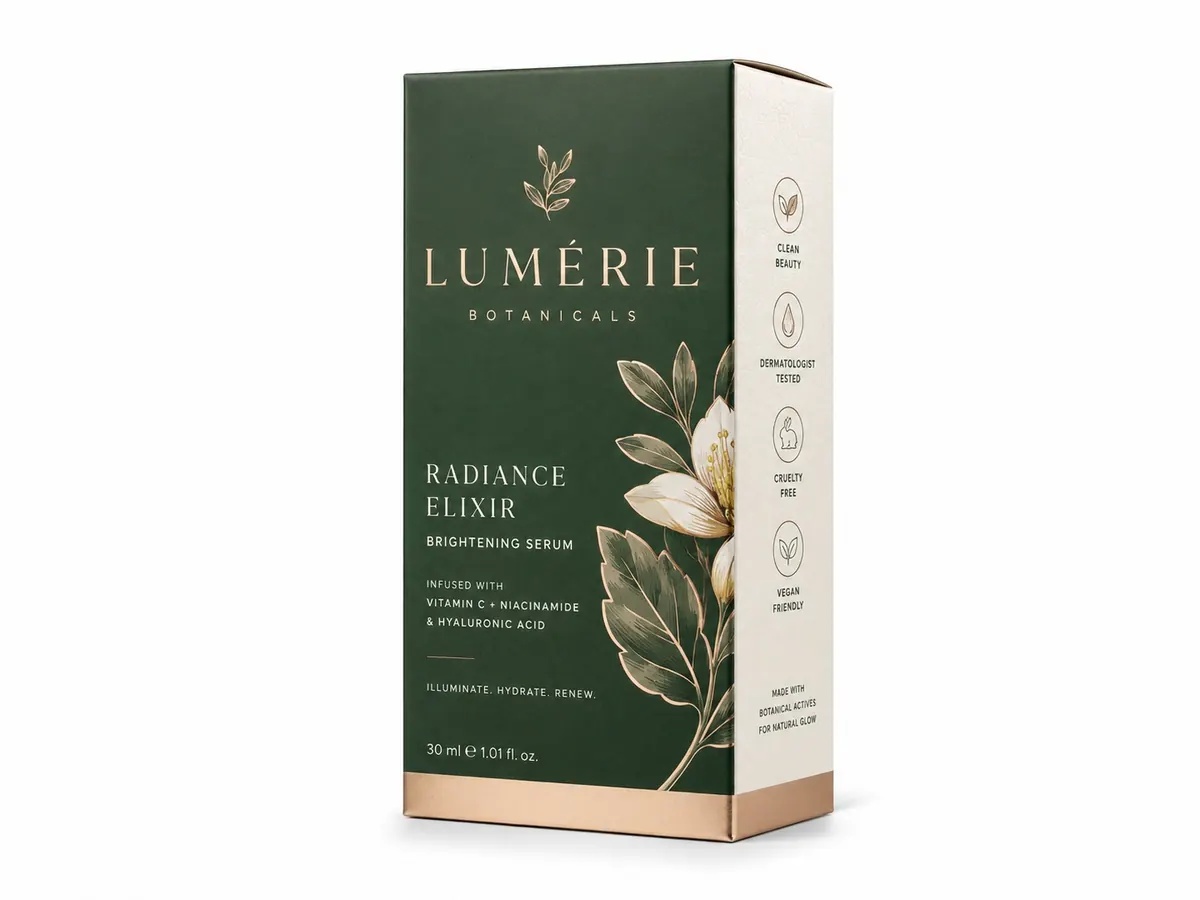
Best Use Cases
Use this finish when brand recognition, shelf impact and premium tactile experience are more important than the lowest unit cost.
How Embossing and Debossing Work on Packaging
Embossing creates a raised relief in paper or board by pressing the substrate between a male die (raised) and female die (recessed) under heat and pressure. Debossing is the reverse — the design is pressed inward. Both processes use a custom steel or copper die machined to the approved artwork, so the dimensional pattern is permanent and replicable across the entire production run.
Blind emboss (no ink or foil) produces a subtle tactile signature that reads as premium in low-light conditions. Combined emboss-foil (a foil stamping die and emboss die registered together) places metallic colour and texture on the same element simultaneously, which is the standard treatment for luxury gift box logos. The depth of the relief — typically 0.3 mm to 1.2 mm — is limited by paper weight and direction of grain; BestPackFactory will advise on the maximum practical depth for the chosen substrate before production.
Specification Reference for B2B RFQ
| Emboss depth | 0.3–1.2 mm typical; up to 2.0 mm on thick board (1800gsm+) |
| Die material | Steel die (standard, cost-efficient); copper die (high detail, longer life) |
| Substrate compatibility | Coated art paper 128gsm+, specialty papers, rigid box wrap paper, greyboard |
| Finish options | Blind emboss, colour emboss, combined foil + emboss |
| Common applications | Rigid gift boxes, luxury cartons, wine labels, paper shopping bags, book covers |
| MOQ | 500 PCS (die cost amortised over run) |
| Lead time for sample | 7–10 working days (die fabrication + press run) |
Quote this finish
Send packaging type, artwork and finish area. We will check process feasibility and cost.